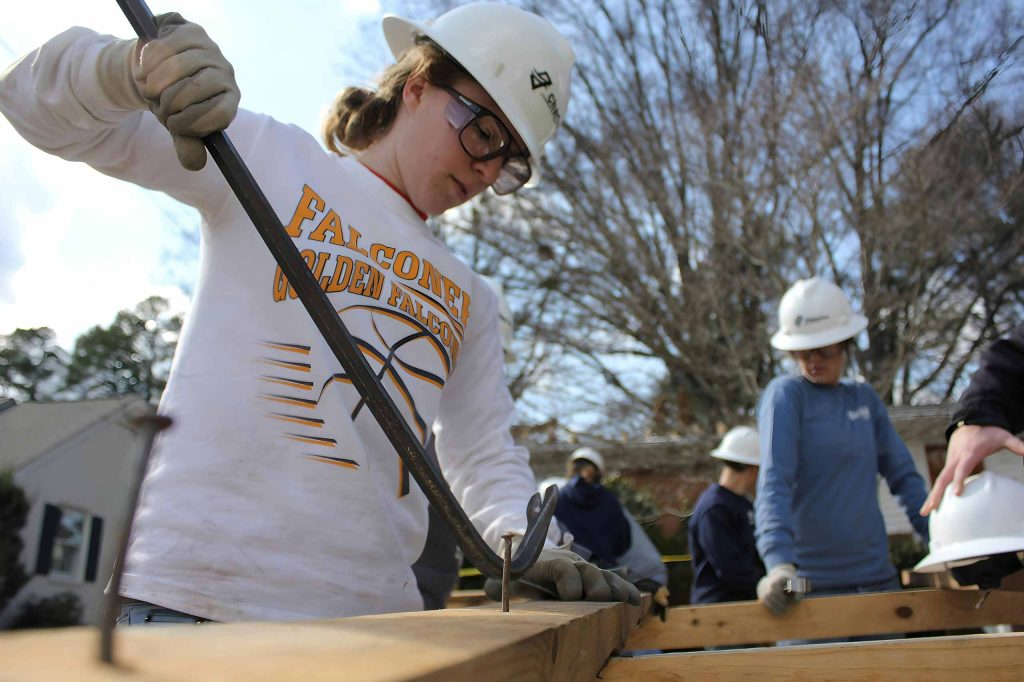
We live our values through action and reflection
Clarebourne’s community service program is a sustained, structured practice in understanding what it means to act on the values students are developing in advisory every day.
Clarebourne’s program is designed to produce students who have built genuine relationships with the communities they serve. When students are unsettled by what they encounter, we encourage them to connect that experience to the ethical questions they are exploring in advisory and in the classroom revise their assumptions about what help looks like.
This approach requires faculty who are trained to facilitate reflection, not just to track participation. It requires community partners who are willing to engage with students as learners and it requires students who are willing to be changed by what they encounter.
Clarebourne has built this program deliberately, division by division, over many years. It is designed as a developmental sequence — each stage building on the last, each stage calibrated to where students are in their own moral and intellectual development.
The sequence
Middle school: introduction and proximity
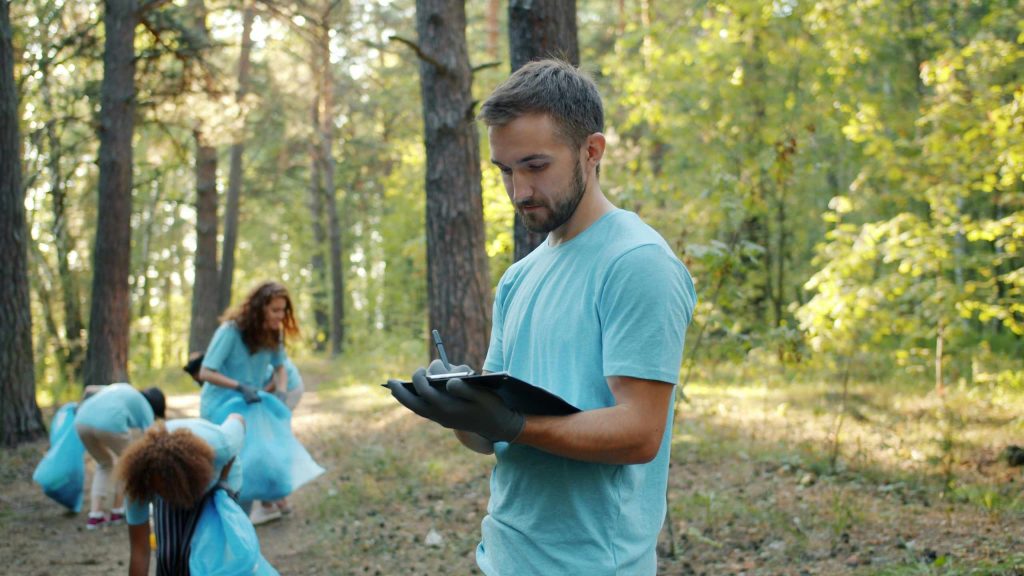
Middle School service is local and direct. Students in Grades 5 and 6 participate in structured service days — three per year — at local partner organizations: a food pantry, a literacy program for adults, an environmental restoration project at a local park. The emphasis is on presence rather than project: students work alongside community members and debrief with their advisor.
Grades 7 and 8 move toward a sustained relationship with a single partner organization, visited monthly across the full academic year. Students keep a service journal — not a log but a genuine record of what they observed, what surprised them, and what questions they are sitting with. Advisors read and respond to these journals. They are not graded. They are taken seriously.
Upper School: Initiative and accountability
Upper School students move from sustained relationship to designed initiative. In Grade 9 and 10, students join an existing Upper School service project — a tutoring program at a local elementary school, an oral history project with residents of a senior centre, a food access initiative in partnership with a regional nonprofit. In Grades 11 and 12, students may propose and lead their own service initiative, with a faculty advisor, a community partner, and a formal proposal process that requires them to articulate what problem they are addressing, why their approach is appropriate, and how they will measure whether it is working. Senior service initiative proposals are reviewed by a faculty and student panel.
Reflection as Practice
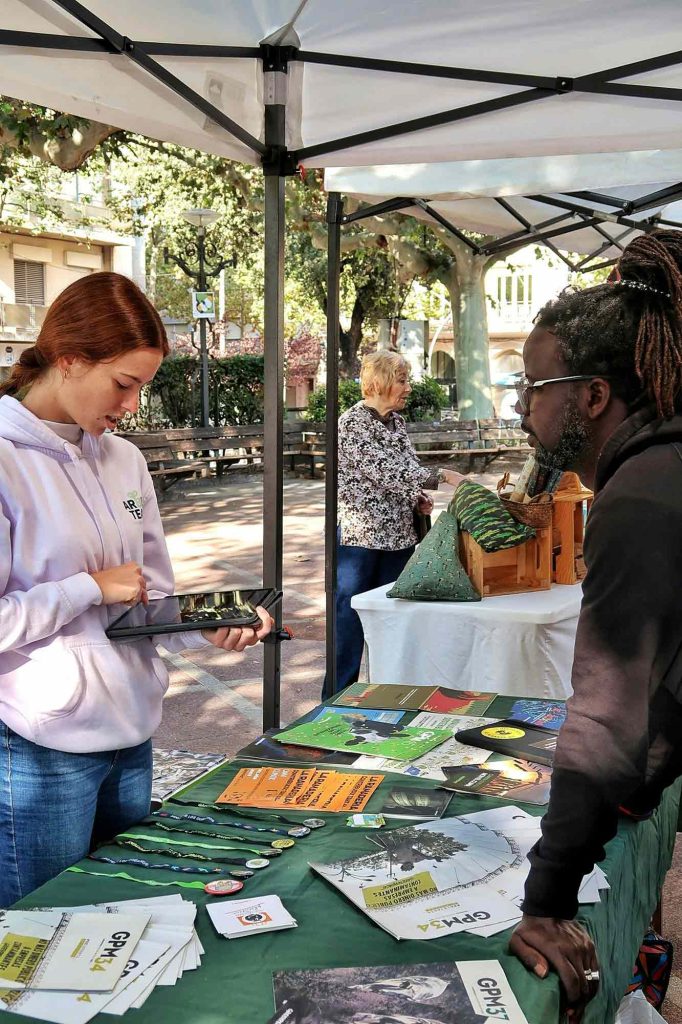
We designed the reflection component of Clarebourne’s service program around a specific conviction: that unreflected service often reinforces the assumptions it should be challenging. A student who spends a Saturday at a food pantry and comes home feeling good about themselves has had a pleasant experience. A student who spends a Saturday at a food pantry and comes home asking why the food pantry needs to exist has begun to learn something.
Advisory is the primary space where this reflection happens. Service journal entries are brought into advisory conversation. The questions students are sitting with — about inequality, about the limits of individual action, about the relationship between their own privilege and the circumstances of the people they are serving — are exactly the questions that Clarebourne’s advisory curriculum is designed to hold.